


Hospital + Healthcare RSS Feed Hospital + Healthcare provides the latest news, updates, product developments for professionals in the industry.
- Does frailty hold the key to early dementia diagnosis?
 on September 17, 2026 at 2:00 pm
It appears that being frail accelerates the onset of dementia, particularly in people who show little or no signs of the disease. This is according to a University of Queensland (UQ)-led study that analysed longitudinal data from more than 1600 participants in the Memory and Aging Project coordinated by Rush University in the United States over 24 years. “Frailty has traditionally been linked to neurodegenerative conditions like dementia, but instead of just being a consequence of aging or declining health, it appears to play its own role in shaping how dementia develops and is diagnosed,” Dr David Ward from UQ’s Frazer Institute said. “Our findings show older adults living with frailty are diagnosed with dementia two to three years earlier than those who are less frail,” Ward added. “Importantly, people who were considered frail but did not have the usual brain abnormalities associated with dementia developed the condition 5 to 6 years earlier.” Frailty is not only positioned as an early marker for dementia risk by the findings, but it is also suggested that managing frailty may help delay the onset of dementia. “The encouraging message is that frailty is often preventable and treatable,” Ward said. “Regular exercise — especially strength training — can delay, reduce and in some cases improve frailty, particularly when combined with good nutrition and social engagement,” Ward added. “If clinicians routinely measure and monitor frailty, there may be opportunities to delay dementia progression and improve outcomes.” The link between frailty and earlier dementia diagnosis was found to be consistent across all groups studied, although the effect appeared stronger in men. “A gene variant called APOE ε4 is associated with a higher risk of developing Alzheimer’s disease, but frailty affected carriers and non-carriers in the same way,” said study co-author Tom Strating, a medical student at Maastricht University in the Netherlands. “People with fewer dementia-related brain changes would usually be expected to develop dementia later,” Strating said. “However, this benefit significantly reduced in people with frailty, who developed dementia at a similar age to those with more brain changes. “Only people with low levels of frailty appeared to gain the protective benefit of having fewer brain changes,” Strating added. The study was published open access in Journal of Neurology, Neurosurgery and Psychiatry and you can read it at doi.org/10.1136/jnnp-2026-338460. Image credit: iStock.com/Cecilie_Arcurs
- Elsevier ClinicalKey Student StudyFinder AI tool
 on September 17, 2026 at 2:00 pm
StudyFinder AI is a medical research tool within Elsevier’s ClinicalKey Student platform. The tool is designed to give medical students access to AI-powered learning support grounded in evidence-based medical content. It is designed to help students find reliable answers faster, while maintaining the transparency and clinical rigour essential for medical education. StudyFinder AI is designed to support medical students via AI-driven search capabilities that allow efficient study by quickly connecting them to curriculum-aligned resources. The tool features embedded citations ensuring sources are verified and allows students to ask questions and search topics, visualise with 2D and 3D models, and create visual aids for studying. StudyFinder AI offers a curated selection of evidence-based textbooks, over 6000 multiple-choice questions and over 1000 bite-sized videos.
- Nurse-led infection control training program
 on September 17, 2026 at 2:00 pm
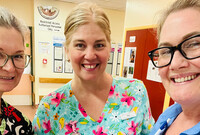
To support healthcare teams to strengthen routine practices and apply them more consistently, healthcare protective solutions supplier MUN Australia has provided free, face-to-face infection prevention training to a range of providers — including hospitals, aged care facilities, dental clinics and community health services — delivered by registered nurses, including in rural and remote communities. With a focus on key areas such as personal protective equipment (PPE), hand hygiene and sharps safety, the program was designed to support consistent, evidence-based infection control in everyday care. The program was aligned with national and state-led programs aimed at improving infection control and reducing waste. These included NSW Health’s ‘Gloves Off! Clean Hands. Safe for All’ campaign — with a focus on reducing unnecessary non-sterile glove use and improving hand hygiene compliance — and Queensland Health’s ‘Bare Below the Elbows’ approach, which supports more effective hand hygiene practices among healthcare workers, reinforcing the role of simple, consistent behaviours in preventing transmission. “This training gives healthcare workers the opportunity to refresh essential infection prevention skills in real clinical settings,” said Sarah Hill, Queensland-based Clinical Educator and registered nurse. “In rural and regional areas especially, we’ve seen strong engagement, highlighting how important it is to reach teams through face-to-face education.” Image caption: Sarah Hill, Clinical Product Specialist at MUN Australia, delivering infection prevention training to healthcare staff in regional Queensland. Image: Supplied
- Tiny gold particles power golden staph colour test
 on September 16, 2026 at 2:00 pm
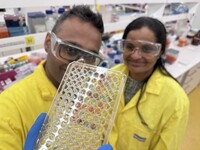
With more than a million fatalities each year, golden staph is a major human pathogen and leading cause of infection-related deaths globally. Using tiny gold particles that behave like artificial enzymes (nanozymes) combined with short DNA molecular binders to create colour ‘fingerprints’ unique to each strain, a colour test for golden staph has been developed. These fingerprints, researchers say, can help separate high-risk strains from others and inform next steps of care. The fingerprint test can also indicate whether a strain carries markers associated with increased virulence, and whether it is likely to have antibiotic resistance. The project was led by RMIT University with research collaborators Western Sydney University, the University of Massachusetts Amherst in the US and the National Institute of Pharmaceutical Education and Research in India. Credit: Will Wright, RMIT University About the test, Professor Rajesh Ramanathan from the Sir Ian Potter NanoBioSensing Facility and NanoBiotechnology Research Laboratory within RMIT’s School of Science called it a rapid, low-cost screening tool that could complement culture- and PCR-based tests and could be modified to spot different dangerous strains of other pathogens. “Speed matters when you’re dealing with serious bacterial infections, and today’s gold-standard tests take time, specialist infrastructure or both,” Ramanathan said. “The rapid test gives clinicians an early, evidence-informed ‘heads-up’ if an infection may be more aggressive or harder to treat.” Professor Rajesh Ramanathan examines a multi-well plate used in a colour-based test to distinguish different bacterial strains. Credit: Will Wright, RMIT University The system was deliberately built to capture subtle biological differences without needing prior knowledge of the bacteria’s surface, team member Dr Pabudi Weerathunge from RMIT said. “Instead of hunting for one perfect target, we use a small panel of molecular binders that attach to different parts of the bacterial surface,” Weerathunge said. “This is a practical pathway toward point-of-care-style screening across clinical settings.” Further, the sensor was tested in simulated wound fluid spiked with different golden staph strains, in order to assess how it might perform in more realistic environments. In simulated wound fluid, the sensor produced comparable strain fingerprints and showed stronger and faster responses in some cases, RMIT said. L–R: Professor Rajesh Ramanathan, Dr Pabudi Weerathunge and Distinguished Professor Vipul Bansal, Founding Director of the Sir Ian Potter NanoBioSensing Facility, in the laboratory with a plate used for colour testing of bacterial strains. Credit: Will Wright, RMIT University Tarun Sharma, Wilson Wong, Mugdha Joglekar, Anandwardhan Hardikar, Mahdieh Yazdani and Vincent Rotello were the other researchers on the study. Top image: Professor Rajesh Ramanathan from the Sir Ian Potter NanoBioSensing Facility and NanoBiotechnology Research Laboratory in RMIT’s School of Science and Dr Pabudi Weerathunge examine colour changes during a laboratory test used to identify bacterial strains. Credit: Will Wright, RMIT University
- Multitone EkoTek wireless staff safety and location systemon September 16, 2026 at 2:00 pm
EkoTek by Multitone is a wireless staff safety and location system designed to help organisations create safer working environments. When an emergency occurs, EkoTek is designed to enable users to quickly raise an alarm while providing precise location information down to room level, helping responders identify where assistance is required. The system can support a range of alerts, including emergency, fall and inactivity alarms, providing an additional layer of protection for lone workers and staff working in environments where a rapid response is critical. EkoTek is also designed to operate as a completely standalone system, independent of Wi-Fi, mobile networks, GPS or an organisation’s existing network. It can also integrate with alarm monitoring, security and other onsite systems where required. With no ongoing subscription or licence fees, EkoTek is intended to provide organisations with a practical and cost-effective staff safety solution. Key features include: precise positioning down to room level; emergency, fall and inactivity alarms; that it is independent of Wi-Fi, mobile networks and GPS; no subscription or licence fees; and connection to an alarm centre for coordinated response.
- Clinrol Connect clinical research recruitment platformon September 16, 2026 at 2:00 pm
Clinrol Connect is a patient recruitment and engagement platform for clinical trial sites, designed to consolidate patient communication, pre-screening, scheduling and workflow management into a single connected system. It is designed for site networks that manage high volumes of incoming patient enquiries across multiple concurrent trials, to alleviate stress and burnout across site coordinators and improve the overall patient experience. The platform integrates into existing clinical trial management systems (CTMS) as a dedicated recruitment layer. It uses AI to prioritise patients by eligibility likelihood, automate reminders and rescheduling, and structure phone screening with live eligibility checks, which is designed to reduce manual coordinator workload and improve lead quality. It is designed to deliver real-time reporting and funnel visibility across the entire patient journey from initial enquiry to enrolment. The platform is HIPAA- and GDPR-compliant and supports TGA/HREC- and FDA/IRB-regulated environments. Implementation is conducted through a workflow-mapping process with the site team prior to go-live. Clinrol Connect is designed to combine inbound lead management, patient communication, AI pre-screening, enrolment tracking, AI calling, SMS outreach, automated follow-up and live eligibility screening with configurable criteria per trial into a single platform. It also includes a sentiment analysis tool to support coordinator-led patient calls, a recruitment funnel dashboard with site performance analytics, and structured workflow mapping for onboarding across multi-site networks within weeks.
- Svelte pull-up continence underwearon September 15, 2026 at 2:00 pm
Svelte pull-up absorbent continence underwear is designed for mobile and semi-mobile adults. Designed in Australia and made in Japan, it is intended for routine daily wear and light overnight use when changed as required. The product uses soft-touch materials, an adaptive stretch waistband and soft, raised and flexible leak guards. It is designed to be fully breathable through to the waist. It is designed to be worn through sitting, walking, toileting and changing as part of everyday life. The product features a fast-absorbing core designed to draw in and disperse liquid quickly. Consideration went into not only how much the core can absorb, but how the absorbent system works alongside the garment around it. The aim of the product is to balance absorbent function alongside a garment that fits, moves and works in a person’s day.
- SafeSubmit secure enquiry form platformon September 15, 2026 at 2:00 pm
SafeSubmit is an Australian SaaS platform designed to close the privacy gap in healthcare website enquiry forms, encrypting every submission before it reaches inboxes, databases, agencies or hosting providers. Built as a drop-in replacement for a standard healthcare website enquiry form, SafeSubmit stores every submission in Australian data centres and lets only the practice unlock and read the full contents through a secure portal protected by a PIN it controls. Everyone else in the usual chain, including the web agency, hosting provider and plugin supplier, can see that an enquiry has arrived, but not the sender’s name, contact details or health information. The portal is also designed to provide anonymised summaries, spam detection, enquiry scoring and a simple pipeline for moving enquiries from new, to processing, follow-up and booked. SafeSubmit is designed to sit between general-purpose form tools built into platforms such as WordPress, Squarespace and Wix, and practice management systems such as Cliniko and Halaxy, covering the early, unfiltered enquiry stage before someone becomes a patient. It is available to Australian solo practitioners, clinics and healthcare groups.
- The cost of not cleaning: how to reduce infections and save money
 on September 14, 2026 at 2:00 pm
Healthcare-associated infections (HAIs) affect approximately one in 10 hospitalised patients and contribute substantially to patient morbidity, mortality and healthcare expenditure. Environmental contamination has long been recognised as an important source of transmission, yet uncertainty often exists regarding who is responsible for cleaning shared medical equipment and how frequently it should occur. To address this challenge, researchers undertook the CLeaning and EnhancEd DisiNfection (CLEEN) trial in a large Australian public hospital.1 Rather than relying solely on clinical staff to clean shared equipment between patient use, the study introduced a dedicated cleaning model focused on equipment frequently used across multiple patients. The intervention was intentionally simple Additional cleaning staff were allocated dedicated time (three hours, each ward, each weekday) to clean shared medical equipment, including blood pressure monitors, infusion pumps, wheelchairs and commodes. This was supported by education, regular auditing of cleaning performance and feedback to staff. Importantly, no new technology was required. Existing hospital-grade disinfectant wipes were used throughout the program. The project addressed a common challenge faced by hospitals worldwide: when responsibility for cleaning shared equipment is unclear, cleaning often does not occur. Before the intervention, only 18% of audited equipment was found to have been adequately cleaned. Following implementation, cleaning thoroughness increased to more than 56%, demonstrating that dedicated accountability and resourcing can dramatically improve performance. Better cleaning translated into better patient outcomes The study involved more than 5000 patients across 10 hospital wards. Researchers found HAI prevalence fell from 17.3% during the control period to 12.0% following implementation. After statistical adjustment, the intervention was associated with a 34.5% relative reduction in HAIs. Significant reductions were also observed across major infection categories including bloodstream infections, pneumonias, urinary tract infections and surgical site infections. Auditing of equipment during the CLEEN trial. Image: Supplied The financial results were equally compelling A subsequent economic evaluation found that for every 1000 patients, the enhanced cleaning program prevented approximately 30 HAIs and released 384 hospital bed days. Rather than increasing costs, the intervention reduced them. Total hospital costs were estimated to be more than AU$640,000 lower per 1000 patients compared with usual practice. The analysis found a 90.5% probability that the intervention would save money.2 Cleaning undertaken by cleaning staff during the CLEEN trial. Image: Supplied Challenging the common perception These findings challenge the common perception that environmental cleaning is primarily a consumable or workforce expense. For healthcare leaders, the CLEEN trial demonstrates that reducing cleaning budgets may inadvertently increase costs elsewhere through longer hospital stays, increased antibiotic use, additional treatments and reduced bed availability. Conversely, investing in cleaning can improve patient safety while supporting hospital efficiency. At a time when hospitals are striving to maximise value, environmental cleaning should be viewed as an area where strategic investment can deliver measurable returns for both patients and health services. You can learn more about the study at cleenstudy.com. 1. Browne, K., White, N., Tehan, P., Russo, P. L., Amin, M., Stewardson, A. J., et al. A randomised controlled trial investigating the effect of improving the cleaning and disinfection of shared medical equipment on healthcare-associated infections: the CLEaning and Enhanced disiNfection (CLEEN) study. Trials. 2023;24(1): 133. doi: 10.1186/s13063-023-07144-z 2. Brain, D., Sivapragasam, N., Browne, K., White, N. M., Russo, P. L., Cheng, A. C., et al. Economic evaluation of enhanced cleaning and disinfection of shared medical equipment. JAMA Network Open. 2025;8(4): e258565. doi: 10.1001/jamanetworkopen.2025.8565 *Georgia Matterson is a member of the research team on the CLEEN study and Research Assistant at Avondale University. †Professor Brett Mitchell is a Chief Investigator on the CLEEN study and Professor of Health Services Research & Nursing at Avondale University. Top image credit: iStock.com/Amparo Garcia
- WA's women's, newborn and children's model remains a "major missed opportunity", doctors say
 on September 10, 2026 at 2:00 pm
On 9 September, the same day the WA Government announced a new dedicated Women and Babies Health Service, the Australian Medical Association (WA) said the state government’s decision not to deliver genuine tri-location of tertiary adult, paediatric, obstetric and neonatal services “remains a major missed opportunity for Western Australian families”. AMA (WA) President Dr Kyle Hoath welcomed the creation of a dedicated Women and Babies Health Service, saying clearer accountability across women’s, newborn and children’s health services had the potential to improve coordination and continuity of care. “Bringing women’s, newborn and children’s health services together under a single Health Service Provider has the potential to improve coordination across services that are currently delivered through different sites and organisational structures,” Hoath said. “Patients should experience one health system, not a collection of organisational boundaries.” However, Hoath also said: “A new Health Service Provider may improve coordination, but it cannot reproduce the clinical advantages of having tertiary adult, paediatric, obstetric and neonatal services located together.” The AMA (WA) said it has consistently advocated for a tri-located model and maintains that clinical requirements should determine the location of the Women and Babies Hospital, adding that it remains concerned that mothers, babies and specialist teams will continue to be spread across multiple sites. “World-class maternity care means tertiary adult, paediatric, obstetric and neonatal services located together. That is not what Western Australia will have under the current model,” Hoath said. “Infrastructure and workforce constraints may help explain the government’s decision, but they do not overturn the clinical advantages of tri-location,” Hoath said. “A mother should not have to choose between receiving proper postnatal care and being close to a critically ill baby.” Hoath also said: “The government’s own report acknowledges that tri-location remains the best way of delivering these services,” saying that the state government’s own consultation process confirmed clinicians preferred a comprehensive tertiary maternity service at the QEII Medical Centre. The state government’s announcement of improved transfer arrangements and enhanced paediatric capability at Fiona Stanley Hospital was acknowledged by Hoath, yet he also said mitigation measures should not be confused with solving the underlying problem. “A dedicated neonatal transfer service is important and we welcome that investment,” Hoath said. “But a transfer is still a transfer. The proposed mitigations are necessary, but they do not replicate the benefits of immediate physical proximity between specialist teams.” The AMA (WA) said it would closely scrutinise the implementation of the state government’s proposed safeguards, including neonatal transfer arrangements, paediatric services, postnatal support and clinical governance frameworks. The AMA (WA) also used its statement to urge the state government to keep open a pathway for future maternity services at the QEII Medical Centre precinct. “What we’re asking for is a genuine commitment to continue exploring what can be achieved at QEII in the future,” Hoath said. “The government has recognised the constraints of today. What we have not yet seen is a commitment to solve this problem for the next generation of Western Australian families.” Additional maternity capacity in Perth’s northern suburbs was supported by the AMA (WA); however, it was also said that the proposed expansion of Osborne Park Hospital must be backed by appropriate emergency pathways, specialist support services, workforce planning and clinical governance. “More maternity capacity is important, but increased capacity must also be safe capacity,” Hoath said. “Every commitment must have funding, staff, a deadline and an accountable clinical leader.” Image: AMA (WA) President Dr Kyle Hoath at a press conference. Source: AMA (WA)
- The healthcare dog must wag the AI tail
 on September 9, 2026 at 2:00 pm
Artificial intelligence is changing health care at remarkable speed. Hospitals can now draw on near-real-time data to detect deterioration, flag possible sepsis, anticipate demand and identify medication risks. Generative AI can summarise notes, draft discharge information and support clinical documentation. These are genuine advances. Yet a harder question remains: has AI changed health care itself, or merely given us faster tools with potential for improvement? My assessment is that AI has altered the means of improvement more than the outcomes. It is helping health services move from periodic measurement towards continuous sensing, and from retrospective dashboards towards prediction and decision support. But continuous sensing does not automatically produce continuous improvement, and prediction is not prevention. An alert only helps when somebody can act on it. A deterioration score needs a clear response pathway, available staff, agreed escalation criteria and accountability. Without these foundations, more alerts can mean more noise, workload and fatigue. A technically accurate model that does not fit clinical workflow may be inert; at worst, it may distract clinicians or create false reassurance. The same principle applies to learning health systems. Data can reveal variation and feed lessons back into practice, but software alone does not create a system that learns. That requires leaders who support transparency, teams with time and skills to improve care, useful feedback loops and a culture that can examine failure without blame. AI tends to amplify the strengths and weaknesses already present in an organisation. It also brings new risks. Algorithms can perform differently across populations, become less reliable as clinical practice changes, or reproduce inequities hidden in historical data. Generative systems can produce fluent but incorrect answers. Clinicians may over-rely on automated recommendations, while patients may reasonably wonder who is accountable when the technology is wrong. Governance is therefore not an administrative extra. Every AI-enabled service should have a named owner, documented purpose, defined response pathway and measures of benefit and harm. Performance should be tested across relevant patient groups and monitored after deployment for bias, errors and drift. Staff need enough practical AI literacy to understand what a system does, what it does not do and when its output should be questioned or overridden. Consider stroke triage or sepsis warning systems. AI may identify a time-critical patient earlier, but benefit follows only if imaging is available, the right team receives the alert, transfer arrangements work and treatment begins promptly. False positives can increase workload; false negatives can encourage misplaced confidence. The important measure is therefore not simply whether the algorithm predicts accurately in a test dataset. It is whether the whole service responds more quickly and appropriately, produces better patient outcomes, avoids preventable harm and does so fairly across the population it serves. Health services should also evaluate AI with the same discipline expected of other clinical interventions. Where feasible, we should compare outcomes before and after implementation, use control groups or staged rollouts, and specify in advance what success will look like. Models that do not deliver net benefit should be changed or retired. The aim is not to accumulate impressive AI pilots, but to improve care reliably and at scale. For hospital leaders, the near-term agenda is practical: choose high-value problems; design the workflow and response system before deployment; involve clinicians, patients, improvement specialists and technical teams from the outset; make equity a measured outcome; and invest in implementation capability and education. AI is a powerful ingredient, not the recipe. Safer, fairer and more reliable care will still depend on people, organisational learning and disciplined redesign. The healthcare dog must wag the AI tail, and not the other way around. Based on: Braithwaite J. 2026. Artificial intelligence, data science and healthcare improvement: what has actually changed and has it changed enough? BMJ Innovations. Published online 17 August 2026. doi:10.1136/bmjinnov-2026-001608 *Professor Jeffrey Braithwaite is Founding Director of the Australian Institute of Health Innovation at Macquarie University and Director of the Centre for Healthcare Resilience and Implementation Science. He is Chair of the International Academy of Quality and Safety. Top image credit: iStock.com/Drazen Zigic
- Fear of cancer recurrence clinical pathway
 on September 8, 2026 at 2:00 pm
An evidence-based clinical pathway for identifying and managing fear of recurrence has been developed by researchers from the Daffodil Centre, a partnership between Cancer Council NSW and the University of Sydney, in collaboration with the McGrath Foundation and Peter MacCallum Cancer Centre. Designed as an online training module for healthcare professionals to help cancer survivors manage anxieties around fear of recurrence, it includes practical guidance, videos and culturally diverse case studies. Video credit: The Daffodil Centre, a partnership between Cancer Council NSW and the University of Sydney. “Initiatives like this help strengthen survivorship care by giving health professionals the tools and confidence to better support patients experiencing fear of recurrence,” said Dr Vanessa Johnston, Clinical Director of Cancer Information and Support Services at Cancer Council NSW. “With more people surviving cancer than ever before, it is important that people impacted by cancer have access to evidence-based information, practical support and high-quality care both during and after cancer treatment.” The pathway is available nationally through eviQ Education at education.eviq.org.au/courses/addressing-fear-of-cancer-recurrence-in-clinical-p. Top image credit: iStock.com/monkeybusinessimages
- Fear of cancer recurrence clinical pathway
 on September 8, 2026 at 2:00 pm
This video explains an evidence-based clinical pathway to help healthcare professionals identify and manage fear of cancer recurrence. You can learn more about the pathway here. Video credit: The Daffodil Centre, a partnership between Cancer Council NSW and the University of Sydney
- Eureka Prize-winning discovery affects one in four women worldwide
 on September 6, 2026 at 2:00 pm
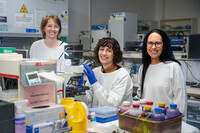
This year’s Australian Infectious Diseases Research Centre Eureka Prize for Infectious Diseases Research went to the Women’s Microbiome Innovation Group for their discovery that bacterial vaginosis (BV), which affects one in four women worldwide, is sexually transmitted. The award is one of several categories in the Australian Museum’s 2026 Eureka Prizes, an annual recognition of excellence across research and innovation, leadership, science engagement and school science. The StepUp trial by Monash University and The Alfred showed treating male partners reduces BV recurrence in women by more than 60%, a finding that, Monash said, has reshaped international thinking on the condition. Partner treatment is transforming clinical practice for BV, an infection associated with serious reproductive complications such as preterm birth and miscarriage, Monash added. L–R: Dr Erica Plummer, Professor Catriona Bradshaw and Dr Lenka Vodstrcil. Credit: Monash University The trial was completed in 2025 by Professor Catriona Bradshaw, Dr Lenka Vodstrcil and Dr Erica Plummer and published in The New England Journal of Medicine (doi: 10.1056/NEJMoa2405404), with Bradshaw saying that her team are now focused on the next steps. “We are now looking at the male genital microbiome to figure out how we can prevent women from acquiring BV in the first place,” Bradshaw said. “We’re also studying the small group of women who weren’t cured by partner treatment, aiming to develop more targeted and effective treatment options for them.” Believing that a better understanding of the vaginal and penile microbiomes could reshape future sexual and reproductive health, Plummer said: “Our findings have already demonstrated that male partners play a critical role in recurrence, fundamentally changing how clinicians approach treatment.” While Vodstrcil noted that the team’s work has shown that male partner treatment is highly acceptable and cost-effective in the Australian healthcare setting, supporting changes to national guidelines. “Our trial proved that male partners are key to improving BV cure, and this strategy is transforming global practice and policy.” L–R: Dr Lenka Vodstrcil, Dr Erica Plummer and Professor Catriona Bradshaw. Credit: Monash University You can learn more about the StepUp trial at www.mshc.org.au/research/research-studies/stepup-study. Top image: L–R: Dr Erica Plummer, Dr Lenka Vodstrcil and Professor Catriona Bradshaw. Credit: Monash University
- "Bed block is accelerating and is far beyond sustainable," NSW Minister for Health says
 on September 6, 2026 at 2:00 pm
Between mid-2025 and mid-2026 the number of patients stranded in state hospitals waiting for Commonwealth Government aged care placements has increased from over 2700 to over 3600. When patients are unable to be discharged to appropriate care, beds in wards cannot be used, surgeries cannot be undertaken and patients wait longer in EDs, a NSW Minister for Health statement said, with the accessibility of aged care services resting with the Commonwealth in Australia’s joint funded health system. Public hospitals were not designed as alternatives or substitutes to aged care facilities, the statement added, with patients waiting indefinitely in hospital facing poorer prospects for recovery. There are almost 100,000 people waiting for Support at Home packages. Across the jurisdictions, all except the Northern Territory saw an increase, with the figures as follows, along with comments from the respective health ministers: Queensland: from 1076 to 1272 “Queensland remains ground zero for stranded older patients, with more than 1270 stuck in our hospitals and interim care through no fault of their own,” Queensland Minister for Health Tim Nicholls said. “Our message has been very loud and clear and that is that the Commonwealth needs to honour its commitments and invest in more aged care supports in Queensland, and across the country. These vulnerable patients need to be moved out of our busy, noisy hospitals and into more appropriate settings so they can get the care they deserve.” New South Wales: from 750 to 1027 “I am concerned the prevalence of bed block is accelerating and is far beyond sustainable,” NSW Minister for Health and Chair of the Health Ministers Meeting Ryan Park said. “We acknowledge the Commonwealth has pledged investment into aged care builds, but we know that can take some time. We will work constructively with the Commonwealth including on issues such as seeing a more immediate response to this crisis, including the delivery of more Commonwealth Support at Home packages.” South Australia: from 245 to 476 “Nationally, we need an additional 10,000 aged care beds each year — last year we had just 800. And this crisis is only going to get worse with current projections showing the total population aged over 70 in South Australia will nearly double over the next 30 years — from 226,568 to 441,395. There are currently 476 older South Australians who are ready to leave hospital but cannot access an aged care placement. That’s up from 60 in late 2022. That number of aged care patients waiting for a bed is about the same as the number of patients at the Lyell McEwin hospital — one of our largest metro hospitals,” SA Minister for Health Blair Boyer said. “If we were able to get them into an aged care bed, it would free up a whole hospital so we could treat those patients that need it. This is putting a huge demand on our healthcare system as the new beds we’ve added to the system are being taking up by aged care patients. Older people should not have to spend weeks, months, or even years in some cases, in hospital waiting for aged care support — and we need the federal government to act now.” Western Australia: from 230 to 423 “The number of older Australians awaiting aged care in public hospital beds during winter reached worrying new heights in Western Australia,” WA Minister for Health Meredith Hammat said. “That’s about 100 more than we had 12 months ago, and another 100 fewer beds available for acutely unwell patients. Older Western Australians deserve a more dignified care setting when they’ve been cleared for discharge.” Victoria: from 226 to 302 “Every older Victorian deserves to age with dignity — and no one should stay in hospital longer than they need to,” Victoria Minister for Health Ingrid Stitt said. “We’ll continue to advocate strongly to the Commonwealth to ensure its aged care reforms are properly funded and no Victorian misses out.” Australian Capital Territory: from 78 to 80 “Older Australians should not have to spend extended periods in hospital when their care needs could be better met in the community or in residential aged care,” ACT Minister for Health Dr Marisa Paterson said. “These delays are difficult for patients and their loved ones and contribute to increasing pressure across the broader health system. People deserve timely access to the right care in the right setting, and we will continue engaging with our federal counterparts to help make that a reality.” Tasmania: from 55 to 78 “Too many Tasmanians remain stuck in our hospitals, sometimes for weeks and even months at a time, because the federal government has not provided them with the aged care or NDIS supports needed,” Tasmania Minister for Health Bridget Archer said. “These Tasmanians are not just statistics, they are Tasmanians who deserve dignity, compassion and a proper place to recover. While the Tasmanian Government will always provide high-quality care, the ongoing lack of leadership and support from the federal government is unacceptable.” Northern Territory: from 76 to 74 “The NT Government is delivering more beds, more nurses, and more equipment in a record NT Health budget with one new ward opening this week and another later this year to help deal with capacity issues,” NT Minister for Health Steve Edgington said. “Our hospital pressures are exacerbated by Commonwealth failure to invest in aged care fast enough as we wait for a promised new facility in the Top End. We could potentially free up another 70 beds and this would make a significant difference to bed block, pressure in the ED and the health system in general in the Territory.” Image credit: iStock.com/SDI Productions